
So I’m driving from Mosinee, Wisconsin, back home to Wittenberg with my daughters in the back seat. They were a little down after finishing 4th at the Badger State Games — just shy of medaling — so we were making a celebratory detour to Culver’s (because hey, cheese curds fix everything).
And that’s when I saw it.
A sign. Not your usual “Brake for Turtles” or “Get Your Brats Here.” No, this one made me do a double take.
“Insurance Companies Fear The Beard.”
Wait… do they?
Do they actually fear the beard?
Naturally, I called my buddy Ryan, who’s deep in the insurance industry. I asked him straight up: “Do you fear the beard?”
He paused. “Well… I’d have to see the beard in person. Evaluate it. Maybe run some actuarial tables on it.”
So no clear answer — but it got me thinking.
Fear the Beard: Where the Phrase Comes From
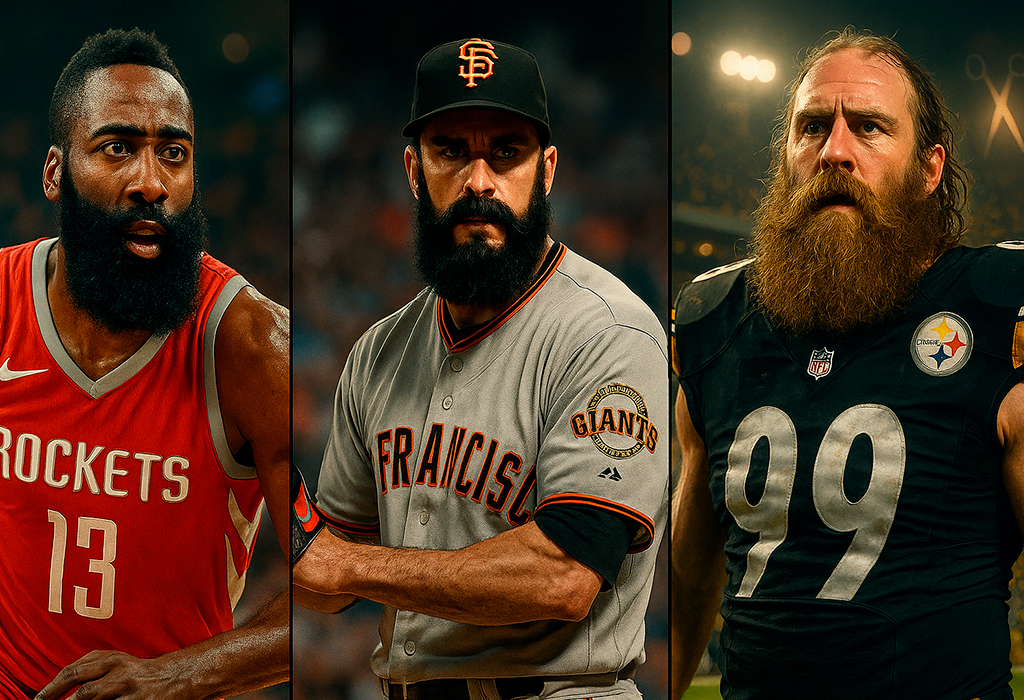
“Fear the Beard” isn’t new. It started in sports culture, where bearded athletes seemed to channel something primal — dominance, aggression, presence. Their beards weren’t just facial hair… they were brand identity.
A few legendary examples:
- James Harden (NBA) – The beard is the brand. No beard, no Harden.
- Brian Wilson (MLB) – His dyed-black beard during the 2010 World Series became a cultural phenomenon.
- Brett Keisel (NFL) – His beard was so epic, it had its own charity event: “Shear the Beard.”
- Joe Thornton (NHL) – Hockey’s version of a Norse god.
- Mike Napoli, Tim Howard, Dustin Brown – All used the beard to amplify grit and intimidation.
- Even golfers like Graham DeLaet sported epic beards — and in golf, that’s saying something.
Bottom line: Beards change perception. On the field and off it.
Beards = Testosterone on Display

Let’s get scientific. Because what you see on a man’s face isn’t just hair — it’s a hormone flex.
Why Men Grow Beards
Beards are triggered by testosterone, especially its more potent form, DHT (dihydrotestosterone). When puberty hits, facial hair shows up as a sign that a boy is becoming a man.
And even though two guys might have the same testosterone levels, one might have a full beard while the other’s patchy — that’s genetics. But the beard still signals something powerful.
Men with beards are consistently perceived as more masculine, dominant, and confident.
It’s visual shorthand for strength, maturity, and sometimes — yes — a little aggression.
What People See When They See Your Beard

You might think your beard is just a style preference — no different than wearing boots or choosing a watch. But here’s the thing: when someone sees your beard, they immediately form opinions.
It’s human nature. We’re wired to read faces fast. And facial hair? That’s one of the boldest signals we send.
Researchers have studied this across multiple cultures, and the findings are consistent: beards change how you're perceived — sometimes dramatically.
Here’s what people instinctively associate with facial hair:
- Strength – A thick beard isn’t just hair — it’s visual horsepower. It suggests physical capability, mental resilience, and emotional toughness. A full beard makes you look like someone who can handle pressure.
- Aggression – There’s an edge to a heavy beard. It amplifies intensity and, in the right context, can make a man appear more assertive, confrontational, or even dangerous. (This is why so many athletes and fighters use the beard as part of their psychological game.)
- Dominance – Especially among men, facial hair is often interpreted as a signal of social rank. The fuller the beard, the more likely you’re viewed as the alpha in the room — whether or not you say a word.
- Age & Maturity – Beards instantly add years — but not in a bad way. They suggest life experience, not gray hairs. You look more seasoned, more stable, more reliable.
- Wisdom – From ancient prophets to modern philosophers, the beard has long been linked to knowledge. Whether you’re quoting Marcus Aurelius or fixing a leaky faucet, the beard gives you gravitas.
- Mystery – A beard conceals. And what’s concealed becomes intriguing. Facial hair hides expression and jawline, creating an air of unpredictability. That’s why beards often signal depth, introspection, or quiet confidence.
Bottom line:
A well-groomed beard doesn’t just decorate your face — it redefines your presence.
It’s the silent handshake. The unsaid first impression. The message people hear before you speak.
Evolution’s Take: Why We Grew Beards in the First Place

Beards aren’t some modern fad. They’re baked into our DNA.
So Why Did Our Ancestors Grow Beards?
Anthropologists suggest a few evolutionary reasons:
- Protection – From sun, wind, and face punches (seriously).
- Warmth – Beards help insulate the face in colder climates.
- Signal of Maturity – If a man could grow a beard, it meant he was of age and likely had high testosterone.
- Dominance – More facial hair may have helped men look more intimidating to rivals.
And yes — sexual selection plays a big role. Across cultures and history, beards have been seen as a signal of virility and genetic fitness.
Cultural Beards: 10,000 Years of Power & Identity

Beards aren't just hair. They've been symbols of power, purity, wisdom, rebellion, and rank for over 10,000 years — long before barbershops offered beard oil and straight-razor fades.
Across time and place, what a beard meant said a lot about the man who wore it.
- Ancient Egypt – Pharaohs wore false beards (even the queens!) to display divine authority. Beards weren’t about biology — they were about being seen as gods among men.
- Ancient Greece – Beards represented wisdom, philosophy, and masculinity. Think Socrates, not Spartan warriors. But Alexander the Great broke the mold — he told his soldiers to shave so enemies couldn’t grab their beards in battle.
- Mesopotamia – Elaborately curled and braided beards showed nobility and prestige. The more ornate, the higher your social rank. They were practically woven resumes.
- Judaism & Islam – Beards are sacred expressions of faith, symbolizing piety and adherence to divine law. Many religious scholars and leaders were required to grow them.
- Victorian England – After the clean-shaven Georgian period, beards made a roaring comeback in the 1800s as a reaction to industrialization. They became a symbol of rugged masculinity, colonial adventure, and even health.
- 20th Century (World Wars) – Facial hair took a backseat due to gas masks and military uniformity. Clean-shaven became the symbol of modernity, professionalism… and government-issued razors.
- 21st Century – The beard is back — with options. Today, a beard can mean anything: fashion statement, spiritual commitment, personal rebellion, or simple self-expression. Whether you’re an executive, a barista, or a biker — it’s not about fitting in. It’s about standing out.
The beard no longer speaks for society — it speaks for you. Whether it's fashion, faith, rebellion, or confidence, it’s now embraced in every style tribe from hipster to executive.
7 Science-Backed Reasons to Grow a Beard (That Have Nothing to Do with Hipster Style)
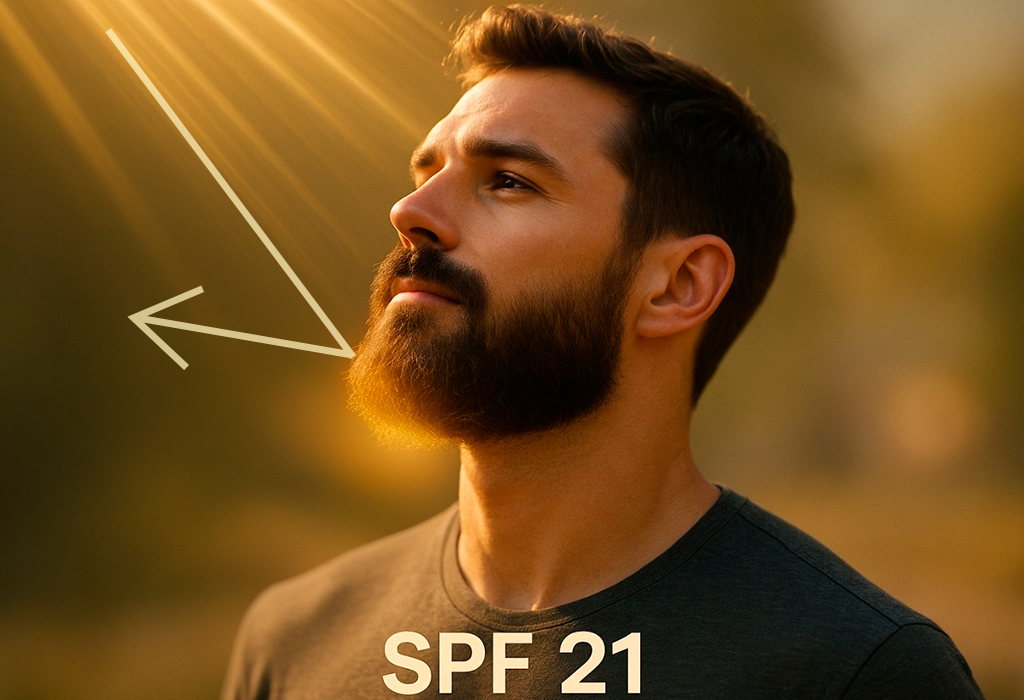
Think your beard is just for looks? Think again. Science says that growing facial hair isn’t just a style choice — it’s a strategic advantage. Here’s what the data (and a few thousand years of human evolution) suggest:
- Built-in sunblock
A solid beard can block up to 95% of harmful UV rays, acting like SPF 21 for your face. Less sun = fewer wrinkles. Who knew your beard was aging in reverse? - Fewer breakouts, clearer skin
Beards create a barrier against bacteria, dirt, and even airborne allergens. That means less irritation and fewer pimples, especially if you’re prone to shaving-related acne. - Natural anti-aging filter
Facial hair shields your skin from sun damage and pollution — two of the biggest causes of early aging. Think of it as a built-in Instagram filter… for your actual face. - Pollen and dust? Blocked.
Beards trap allergens before they hit your skin or get into your nose and mouth. It’s basically a masculine HEPA filter right on your jawline. - Cold-weather armor
Your beard acts like nature’s scarf — insulating your face and helping regulate temperature in cold or windy environments. Vikings didn’t wear Merino wool — they grew it. - Boosts confidence and self-image
Studies show men with facial hair often feel more masculine and self-assured. It’s not vanity — it’s psychology. Beards change how you see yourself and how others see you. - Helps reduce social anxiety
For some men, a beard isn’t just style — it’s a shield. Even Prince Harry admitted that his beard acted as a “protective barrier” during high-stress royal appearances. Your beard might be your armor, too.
So… Do Insurance Companies Really Fear the Beard?
Let’s circle back.
My buddy Ryan couldn’t give me a straight answer — and to be fair, there’s probably not an underwriting category for “Epic Viking Beard.” But here’s what I know:
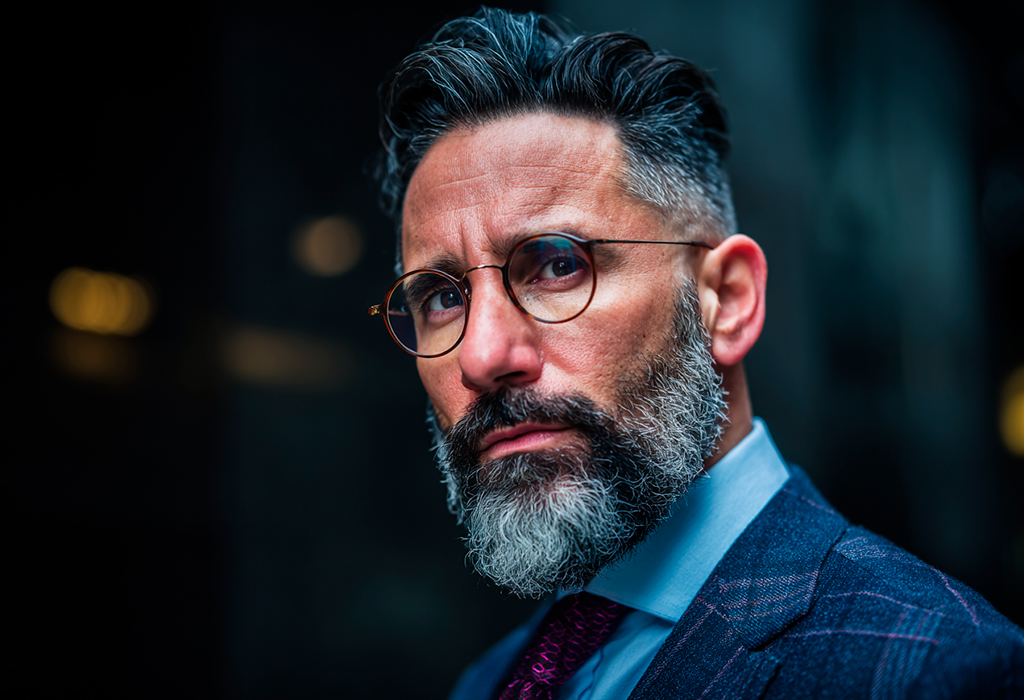
When a man wears a well-groomed beard, it changes how people see him.
He looks older. Wiser. Tougher.
He commands attention — and often, respect.
And sometimes… yeah, maybe even a little fear.
So while insurance companies might not literally fear the beard…
People probably should.
FAQ: Beards, Perception & Grooming
Is there a perfect beard length for maximum impact?
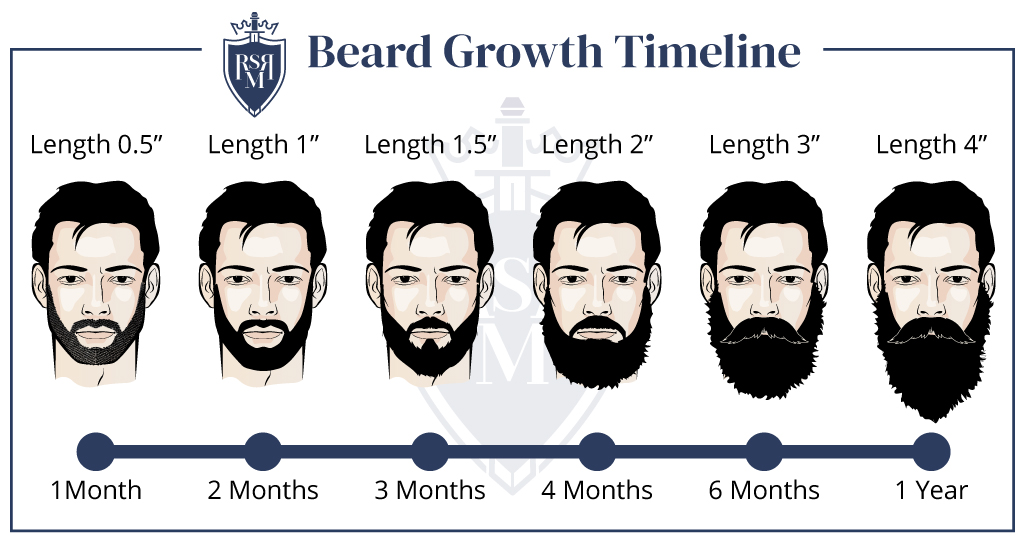
Studies show heavy stubble (10 days of growth) is most attractive to women. Full beards convey more dominance and maturity. Choose based on the impression you want to make.
Does a beard make you look older or younger?
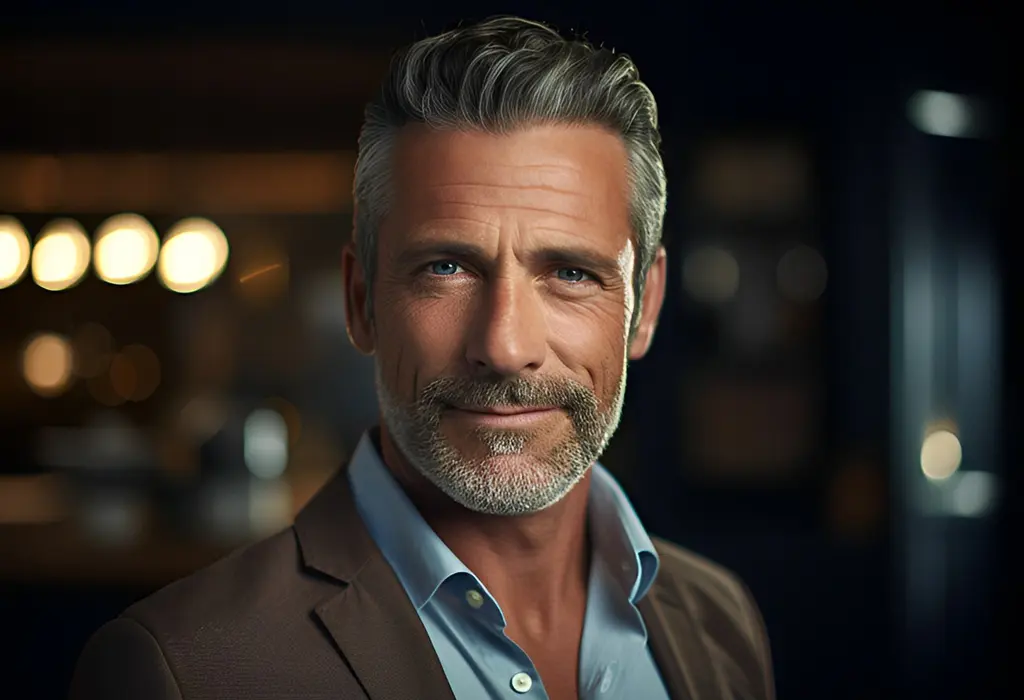
Usually older — but in a good way. Beards add structure to the face and project maturity. Just keep it well groomed or it can age you unnecessarily.
Do women like beards?

Depends. Some prefer the rugged masculinity of a full beard; others love clean-shaven. But most women agree: patchy, unkempt beards are a no-go. Grooming matters.
What’s the best way to maintain a healthy beard?

- Wash it with beard shampoo (not hair shampoo).
- Use beard oil or balm to soften and condition.
- Trim regularly — even if you’re growing it out.
- Brush daily to train the shape and reduce tangles.
Can growing a beard hide insecurities?
Absolutely — and that’s not a bad thing. Beards can be armor. Just make sure what’s underneath gets stronger too.